Discover
-
Manuel São Bento February 12, 2026 at 2:37 pm by Manuel São Bento
Rating: C- Walking into Emerald Fennell's latest venture, I carried a cautious optimism, hoping for a reimagining that justified its existence beyond mere aesthetics. In many ways, WUTHERING HEIGHTS is a triumph of technical artistry; the production design is immaculate, and the costumes offer a masterclass in period detail. Linus Sandgren's cinematography is particularly arresting, utilizing gorgeous silhouettes and immersive visual callbacks that frame the story with a haunting, pristine beauty. When paired with a cathartic, sweeping score from Anthony Willis, the feature's craftsmanship becomes undeniable. However, this film serves as a sobering reminder that technical brilliance cannot salvage a hollow foundation. It's the most recent case against the notion that striking imagery can compensate for a broken narrative, as WUTHERING HEIGHTS ultimately feels like a style-over-substance exercise that prioritizes visual vamping over the raw, psychological gravity required for such a legendary tale. As a viewer who often isn’t familiar with the source material, I'm typically the first to advocate for a filmmaker's creative liberty. Yet, the choices made in this adaptation are bafflingly contradictory. The story, ostensibly centered on a monumental love, quickly devolves into a repetitive cycle of toxic behavior and juvenile vengeance, with protagonists who navigate their world without a shred of morality. WUTHERING HEIGHTS strips away the spiritual obsession that defines the original bond, replacing it with a prolonged, almost demonic montage of physical encounters that makes their connection feel carnal rather than soulful. Fennell leans so heavily into a maximalist tone that the thematic weight is completely gutted, leaving a gaping hole in Heathcliff's character evolution and making the circular, frustratingly redundant dialogue feel like an endurance test. Ultimately, WUTHERING HEIGHTS is a visually sumptuous yet emotionally hollow experience that forgets that for any adaptation to truly resonate, it must preserve the beating heart of the story it seeks to tell.
-
Brent Marchant February 15, 2026 at 8:08 pm by Brent Marchant
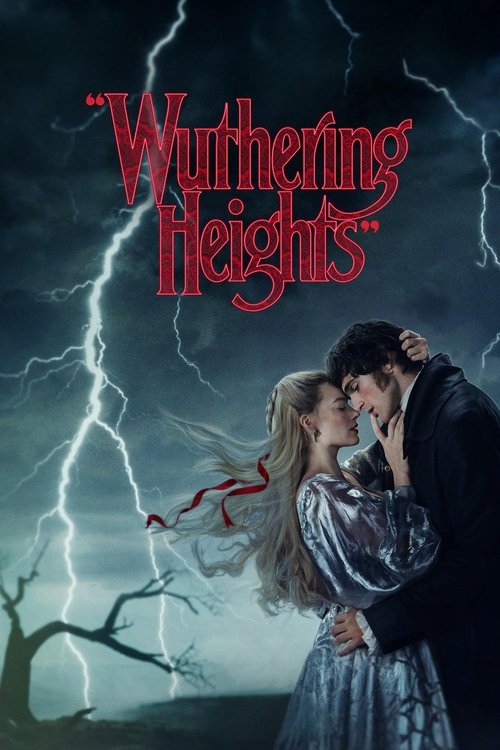
Poking fun at the supposedly sacred can sometimes be a source of perverse glee, particularly when targeted against works of art and literature that many might consider off limits and untouchable. Undertakings like that, however, were made for writer-director Emerald Fennell. As a filmmaker with a reputation for unapologetically telling stories with outrageous narratives, she was the perfect choice for the assignment of skewering Emily Bronté’s classic 1847 novel Wuthering Heights. Long considered one of the best works of English literature, this Gothic romance with a tawdry underbelly has long passed itself off as a respectable piece of writing thanks in large part to the carefully managed protection afforded by literary purists. However, in this latest cinematic adaptation of this time-honored tale, the filmmaker holds nothing back in bringing its kinkier aspects to light, all presented with a deliciously wicked sinister grin. While the film admittedly takes considerable license with the original narrative, its core characters and much of its basic storyline have been spared, albeit with a twisted approach in doing so. The film basically follows the exploits of ambitious social climber Cathy Earnshaw (Margot Robbie) who comes from a once-moneyed family now experiencing diminishing financial means. Cathy’s smitten with an orphan boy whom her father (Martin Clunes) rescues from the streets whom she has named Heathcliff (Jacob Elordi) in honor of her deceased brother. Cathy and Heathcliff grow up together, almost like siblings, but there’s an undeniable attraction between them. But, for Cathy, giving in to her romantic impulses would be imprudent in light of her ambitions to become socially respectable. And, as a consequence, she abandons her love for Heathcliff in favor of Edgar Linton (Shazad Latif), the landed owner of a neighboring manor, a move that breaks Heathcliff’s heart, who subsequently flees in despair. But, when Heathcliff returns several years later as a wealthy man, Cathy’s hormones stir to life once again, especially since her love for him now has money to back up the considerable pheromones he exudes. Thus begins a tale of erotic intrigue involving this romantic triangle, a deliciously campy romp brought to life and further seasoned by the maneuverings of Cathy’s longtime (and supposedly trusted) servant, Nelly (Hong Chau), who has a vested interest in how affairs ultimately unfold. The filmmaker thus spins a pulpy web on par with the best plots found in classic 1980s prime time soaps, suitably peppered with witty one-liners and hilarious sight gags. These antics are sufficiently facilitated by the superb performances of Robbie, Elordi and Alison Oliver as Edgar’s naïve sister Isabella (who’s not nearly as innocent as she seems, especially when she takes a shine to Heathcliff upon his triumphant return, adding more spice to the stew). While some viewers may not take to the deviations from the novel’s original story, and despite some tonal inconsistencies on the part of the filmmaker. “Wuthering Heights” is nevertheless a delightfully juicy guilty pleasure. It’s not meant to be taken as seriously as previous cinematic versions of this work, but there’s nothing wrong with that, as it’s intentionally following a different approach from those earlier offerings. And, in this case, Fennell’s version isn’t afraid to brazenly expose the hitherto-cloaked dirty little secrets of those iterations. I can’t imagine any other filmmaker capable of taking on the task of telling this story in this particular way. The outrageousness that the director unabashedly brought to the screen in previous works like “Promising Young Woman” (2020) and “Saltburn” (2023) is again present here (though handled far more skillfully this time), deftly combined with top-shelf production values in areas like cinematography, costuming, art direction and set design, not to mention the aforementioned spot-on performances. This release definitely won’t appeal to everyone, especially among those who prefer their adaptations of classic literature unadulterated. But viewers who have a pronounced mischievous streak in their movie preferences will no doubt revel in this release’s refreshingly bawdy frankness and clever tongue-in-cheek humor. This is truly a cup of tea with a hefty shot of a potent potable added to it, so, if that’s your taste, by all means drink up and enjoy.
-
-LBJ- February 17, 2026 at 5:30 pm by -LBJ-
Over the top, ridiculously dramatic, and a total blast. I loved this movie and have seen it twice now.
-
CinemaSerf February 18, 2026 at 6:49 pm by CinemaSerf
I’m not sure, with the exception of “Barbie” (2023), that I’ve ever seen a film with Margot Robbie and really understood what all the fuss was about. Even there, that was more to do with Ryan Gosling knowing how to entertain whilst looking good. This time, she relies on Jacob Elordi for that support and if possible, he is even more wooden than her. Sure, he’d look good in a wet shirt contest, but that rather sums up this terribly disappointing adaptation of Emily Brontë’s novel. “Cathy” is the daughter of the wealthy but temperamental “Earnshaw” (Martin Clunes) and ever since she was young has had a close relationship with his ward “Heathcliff”. Thing is, though, as her father is guzzling his way through what little cash they have left she has to think on her feet. Perhaps the newly arrived velvet millionaire “Edgar” (Shazad Latif) might just offer a solution? Snooping on him one evening, she manages to sprain her ankle and so ensure an invitation to stay and recuperate with him and the ribbon-collecting “Isabella” (Alison Oliver). Narked, before we know it the smouldering one has pinched their only horse and gone off in the huff. It’s some years before he returns, a wealthy man, during which time she has married and is expecting a bairn - but can they continue to keep their hands off each other now they are in similar social classes? So much of the original story is in the gentle but powerful development of both the characters and the pulsating, seamy and evocative story, set against the bleakness of the Yorkshire landscape. This, on the other hand, over-relies on what we can see and what we might already know about the characters and so leaves us with something really quite shallow. It does look as if effort has gone into the look of the production but the screenplay has been stripped back to something barely recognisable and when there are opportunities for it to grab us by the throat, we default to some Enya-esque songs from a Charlie XCX who might actually be the most creatively influencing here. I’m sorry, but this was a real missed opportunity to update one of the most enduring and toxic love stories in the English language, but instead we have something that is so much style over substance. More withering than wuthering, and no heights at all here for me - no wonder they have been promoting it so heavily.